DEVOPSTECHSOFTWARES

CRM and customer systems

Customer Data Platforms for Unified Profiles, Segmentation, Customer Intelligence and Better Decisions

Build a customer data platform that brings customer records, purchases, support history, marketing engagement, lifecycle stages and reporting into one trusted view.

Customer data platform dashboard for unified profiles, segmentation, lifecycle analytics and CRM reporting
A customer data platform should help teams understand the same customer across sales, support, marketing, purchases and service history.
CRM, website, support, ecommerce, payments and portal records
Unify
duplicates, missing fields, stale records and inconsistent identifiers
Clean
lifecycle stage, value, behavior, source, risk and interest
Segment
retention, churn signals, engagement, value and service history
Analyze

Customer truth from scattered records

Customer data platforms help teams stop guessing when customer information lives in different systems

As businesses grow, customer data starts spreading everywhere. Sales keeps leads in the CRM, support keeps tickets in a helpdesk, finance has payment records, ecommerce has purchase history, marketing has campaign engagement, and management still asks a simple question: who are our best customers and what is happening with them?

A customer data platform creates a more reliable customer view by bringing important records together, cleaning duplicates, matching identities, defining segments and making customer behavior easier to understand. It helps sales know who to follow up, marketing know who to nurture, support know customer history and leadership see retention, value and service patterns.

DevOpsTech Softwares builds customer data platforms for businesses that need practical customer intelligence without drowning teams in disconnected reports. We design data models, integration flows, matching rules, segmentation, dashboards and governance so customer data becomes useful for decisions, not just stored in more tools.

Service at a glance

Best for
Organizations with customer records spread across CRM, ecommerce, support, payments, spreadsheets, portals, marketing tools and reporting systems
Typical outputs
Unified customer profiles, data model, matching rules, cleaned records, audience segments, dashboards, lifecycle reports and integration flows
Core decisions
Customer identity rules, source systems, required fields, data ownership, segmentation logic, consent fields, reporting needs and CRM handoff
Integration context
CRM, ecommerce, websites, mobile apps, portals, payment systems, M-Pesa workflows, helpdesk, ERP, marketing automation and BI dashboards
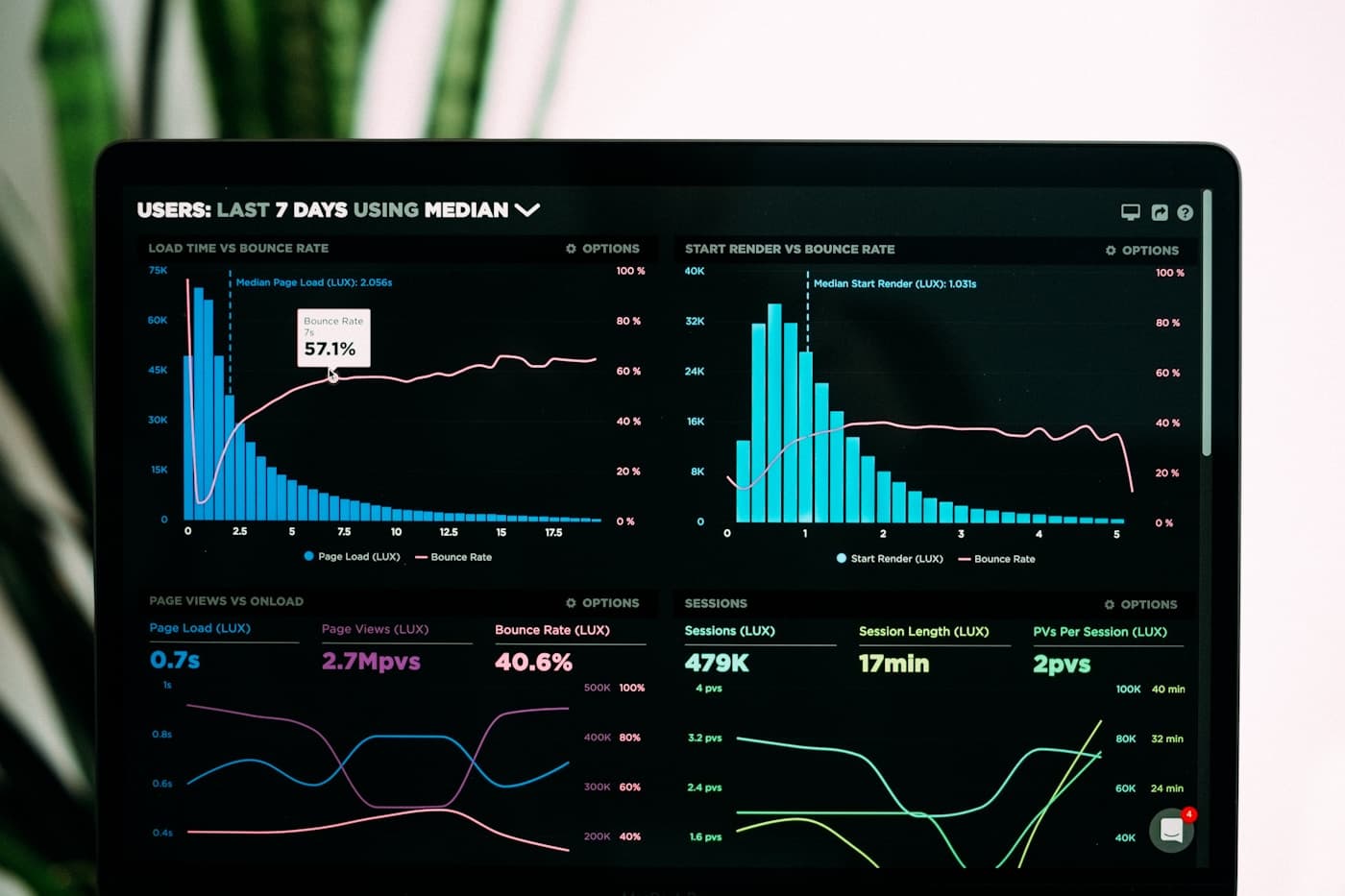
Customer data platform dashboard for unified profiles, segmentation, lifecycle analytics and CRM reporting
The real value is not collecting more data. It is turning scattered customer records into profiles, segments and reports that teams can trust.

Customer data platform decisions

What must be decided before unifying customer data

Customer data work becomes risky when every system calls a customer something different. We clarify identity, data quality, ownership, segments and reporting before building integrations.

AreaWhat we decideWhy it matters
Customer identityWhich fields identify a customer: phone, email, account number, national ID where appropriate, organization name, customer code or portal login.Identity rules determine whether records can be matched safely or whether duplicates will keep distorting reports.
Source systemsCRM, website forms, ecommerce, POS, support tickets, payment records, ERP, mobile apps, spreadsheets, call center records and marketing tools.A CDP should focus on sources that improve customer decisions instead of importing everything blindly.
Data qualityDuplicate handling, missing fields, inconsistent names, inactive records, stale leads, wrong owners and validation rules.Customer analytics becomes misleading when dirty data is unified without cleanup.
Segmentation logicLifecycle stage, source, product interest, purchase history, service history, location, customer value, engagement and churn risk.Segments make customer data actionable for sales, marketing, service and management.
Privacy and accessWhich teams can view, edit, export or use customer data, and what consent or communication preference fields must be respected.Customer data needs careful access control and policy review, especially when it supports marketing or sensitive service workflows.
Reporting and activationWhich dashboards, CRM updates, campaign lists, sales tasks, retention alerts or BI reports should be created from customer data.A CDP should lead to better action, not only a larger database.

Capability depth

What this service covers

01

Customer data audit and source mapping

We review where customer records live today and decide which sources are worth connecting first.

  • Source review across CRM, spreadsheets, website forms, portals, ecommerce, payment records, support systems, marketing tools and ERP data.
  • Customer data inventory covering fields, owners, duplicates, missing values, source reliability and reporting usefulness.
  • Prioritization of sources based on business value, data quality, integration access and decision impact.
  • Data readiness notes that show what should be cleaned, merged, archived or left out of the first phase.

02

Unified customer profiles and identity matching

We design customer profiles that connect important activity without creating unreliable matches.

  • Customer profile model for individuals, accounts, organizations, branches, households or member records depending on the business.
  • Identity matching rules for email, phone, customer code, account ID, portal login, organization name and other approved identifiers.
  • Duplicate detection, merge workflows, conflict review and manual confirmation for records that need human judgment.
  • Profile views showing contact data, lifecycle stage, purchase history, support history, campaign engagement and account notes.

03

Segmentation and lifecycle intelligence

We create segments that help teams act differently for different customer groups.

  • Segments for new leads, active customers, high-value accounts, dormant customers, repeat buyers, churn risk and service-sensitive accounts.
  • Lifecycle stages for inquiry, qualified lead, first purchase, onboarding, active customer, renewal, inactive or reactivation.
  • Customer scoring options based on engagement, purchase behavior, support history, account value or sales activity.
  • Segment exports or CRM updates for marketing automation, sales follow-up, account management and retention workflows.

04

Customer analytics dashboards

We turn unified customer data into dashboards that leadership, sales, marketing and support can actually use.

  • Dashboards for customer growth, source quality, repeat purchase, retention, churn signals, engagement and account value.
  • Views for sales teams, marketers, support managers, account managers, executives and operations teams.
  • Reports that connect customer behavior to campaigns, support issues, payments, purchases, renewals or product interest.
  • BI-ready data feeds or exports where leadership reporting needs deeper analysis outside the CRM.

05

CDP integrations, governance and support

We connect customer data carefully and put rules around how it should be maintained.

  • Integrations with CRM, ecommerce, websites, mobile apps, portals, payment systems, helpdesk, marketing tools, ERP and BI platforms.
  • Data sync rules, update direction, error handling, import schedules, field ownership and conflict handling.
  • Access rules for teams that can view, update, segment, export or activate customer data.
  • Ongoing improvements to fields, segments, dashboards, data quality checks and integration reliability.

Customer data standards

Customer data should be trusted before it is used for decisions

01

Unify only what is useful

A CDP should prioritize customer data that improves sales, service, marketing, retention or leadership decisions.

02

Do not hide data quality problems

Duplicates, stale records and missing fields should be visible so teams understand the limits of the reports.

03

Respect customer permissions

Access rules, consent fields and communication preferences should be designed into the system before teams activate customer segments.

04

Make insights actionable

Segments and dashboards should lead to CRM updates, sales follow-up, support awareness, campaigns or management decisions.

Delivery path

A controlled route from scattered records to trusted customer intelligence

01

Audit customer data and business questions

We review the customer questions management needs answered, then inspect current data sources, records, spreadsheets, reports and integration options.

02

Design profiles, matching and segments

We define customer identity rules, profile fields, data ownership, matching logic, segment definitions, access rules, dashboards and activation needs.

03

Connect data and validate sample profiles

We build imports or integrations, test sample customer profiles, review duplicates, check segment accuracy, validate reports and adjust rules before wider rollout.

04

Launch dashboards and improve data quality

We support team review, data cleanup, reporting adjustments, integration monitoring and ongoing improvement of profiles, segments and customer analytics.

Service FAQs

Questions before building a customer data platform

Do we need a CDP if we already have a CRM?

Sometimes yes. A CRM may hold sales records, while customer behavior, support history, payments and ecommerce data live elsewhere. A CDP helps unify those records when one customer view is needed.

Can a CDP help with customer segmentation?

Yes. Once records are clean enough, a CDP can support segments such as high-value customers, dormant customers, repeat buyers, churn risk accounts, campaign audiences and service-sensitive customers.

Can you connect customer data to marketing automation?

Yes. We can prepare segments, CRM updates, campaign lists or integration flows for marketing automation, while respecting access rules and communication preference fields.

Need one trusted view of your customers?

Tell us where customer records live today and what decisions you cannot make confidently. We will help shape a customer data platform that turns scattered records into useful intelligence.