DEVOPSTECHSOFTWARES

Customer systems engineering

CRM and Customer Systems for Sales, Support, Marketing, Customer Data and Retention

Build or implement customer systems that make leads, follow-ups, service tickets, customer history, campaigns, loyalty and reporting easier to manage.

Customer analytics dashboard for CRM and customer systems
Engineering work planned around scope, security, delivery quality and long-term maintainability.
contacts, accounts, deals and activity history
CRM
pipelines, tasks, follow-ups and forecasts
Sales
tickets, SLAs, queues and resolution reports
Support
loyalty, segmentation and customer data
Retention

Customer operations with accountability

A CRM should create customer visibility, not become another place teams avoid updating

Many CRM projects fail because they focus on software setup before customer process design. Teams need clear customer records, ownership rules, pipeline stages, follow-up discipline, support queues, communication history and reports that managers can trust.

DevOpsTech Softwares builds and implements CRM and customer systems for sales, support, marketing, service delivery, customer data, loyalty and retention. We focus on the workflows that improve response time, accountability and customer lifetime value.

The best CRM system connects customer history across channels: website leads, phone calls, sales activities, support tickets, purchases, payments, marketing journeys, account management and management dashboards.

Before committing to a delivery path, it may help to read CRM Implementation Plan, Customer Data Quality and CRM Adoption and Sales Automation Workflow Design.

Service at a glance

Best for
Sales, service and marketing teams that need cleaner customer history and follow-up
Typical outputs
CRM workflows, sales automation, helpdesk systems, CDPs, loyalty tools and dashboards
Core decisions
Customer data model, pipeline stages, support process, segmentation, integrations and adoption
Integration context
Web forms, portals, email, SMS, M-Pesa, ERP, ecommerce, BI and marketing tools
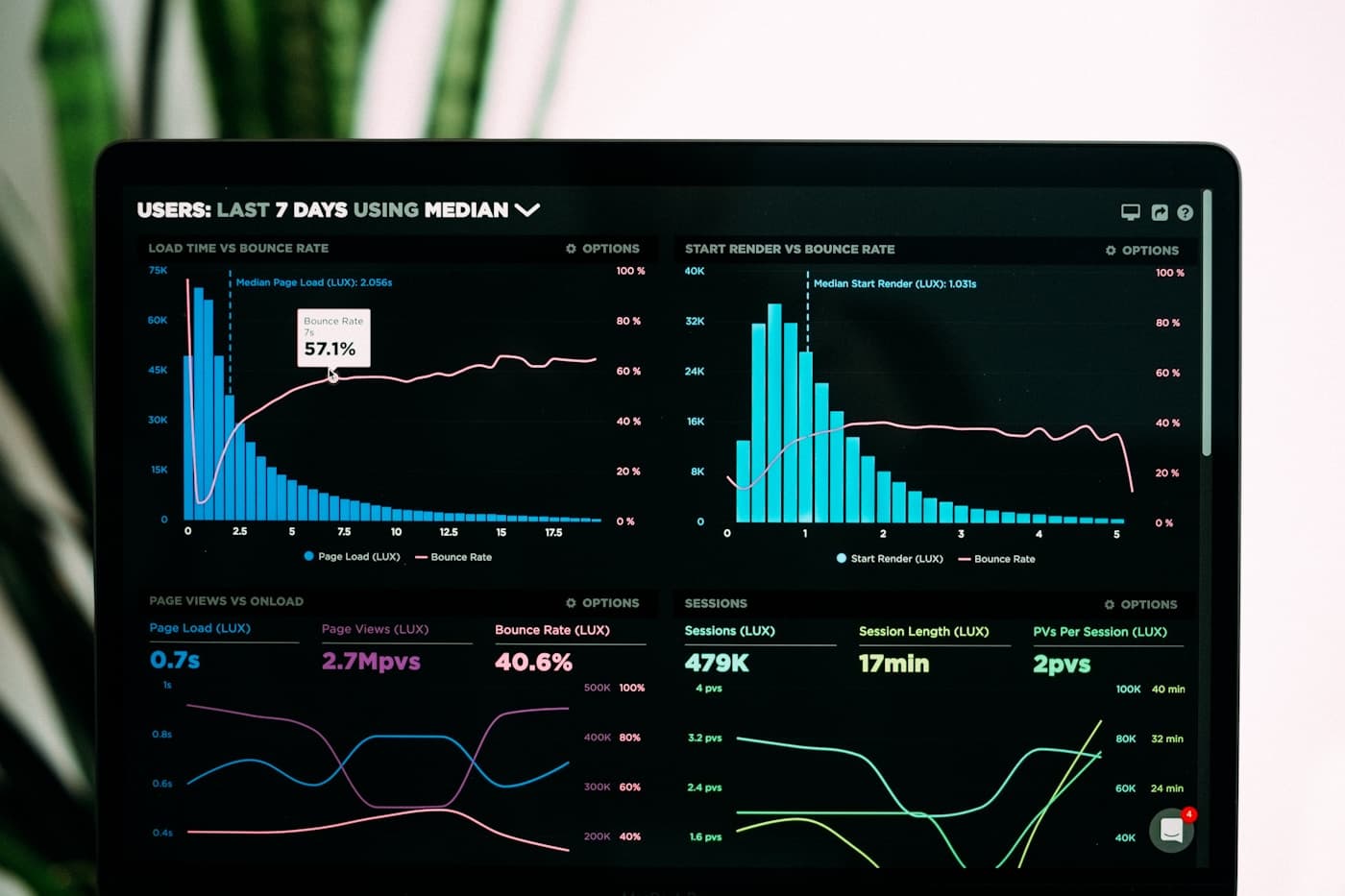
Customer analytics dashboard for CRM and customer systems
We define the engineering approach before code so delivery decisions stay commercially useful.

CRM planning decisions

What a CRM or customer system should define before build or implementation

CRM work becomes shallow when it is treated as a contact database. We define the operating model for customer acquisition, service, retention and reporting before configuring screens.

AreaWhat we decideWhy it matters
Customer data modelLeads, contacts, accounts, organizations, segments, lifecycle stages, communication history and ownership.Clean customer structure prevents duplicate records and gives teams one reliable customer view.
Sales workflowLead capture, qualification, pipeline stages, tasks, follow-ups, proposals, quotes, handoffs and lost reasons.Sales visibility depends on consistent stages and activity tracking, not only stored contacts.
Support processTicket categories, channels, priorities, SLAs, queues, assignments, escalation and resolution rules.Support systems must reduce dropped issues and make service quality measurable.
Marketing and retentionSegments, campaigns, triggers, messages, loyalty events, churn signals and reactivation paths.Customer systems should support repeat business, not only first conversion.
IntegrationsWebsite forms, portals, ecommerce, payments, ERP, SMS, email, call tools, BI and third-party APIs.CRM value grows when customer activity from other systems flows into one usable record.
Adoption and governanceRequired fields, role permissions, dashboards, training, data cleanup and management review rhythm.A CRM only works when teams use it consistently and managers inspect the right signals.

Capability depth

What this service covers

01

CRM implementation and customization

We help configure or build CRM systems around your customer lifecycle, team responsibilities, pipeline logic and reporting needs.

  • Lead, contact, account and opportunity records with ownership and lifecycle stages.
  • Custom fields, views, dashboards, activity tracking, permissions and automation rules.
  • Data cleanup, import planning, duplicate handling, user training and rollout support.

02

Sales automation and pipeline management

We structure sales workflows so teams can capture leads, qualify opportunities, follow up and forecast more reliably.

  • Lead capture, assignment, pipeline stages, tasks, reminders, quotes, proposal status and follow-up workflows.
  • Sales dashboards for conversion, pipeline value, stalled deals, sources, reps and lost reasons.
  • Integration with website forms, campaigns, email, SMS, portals, ecommerce or ERP data.

03

Helpdesk and ticketing systems

We build service workflows for customer issues, internal support, ticket queues, SLAs, escalation and resolution reporting.

  • Ticket categories, priorities, assignments, statuses, escalations, comments and resolution notes.
  • Customer portals, email intake, SMS alerts, knowledge base links and support dashboards.
  • Reports for response time, resolution time, backlog, repeated issues and agent workload.

04

Customer data platforms and unified records

We help connect customer data from multiple systems so teams can see a fuller customer history.

  • Customer identity rules, data matching, segmentation, consent fields and lifecycle views.
  • Connections from ecommerce, payments, CRM, ERP, support, portals, marketing and analytics tools.
  • Dashboards for customer value, churn risk, repeat purchases, engagement and service history.

05

Marketing automation and communication flows

We design customer communication workflows for acquisition, onboarding, reminders, service updates and retention.

  • Campaign triggers, lists, segments, email, SMS, task reminders and lifecycle messages.
  • Lead nurturing, abandoned inquiry follow-up, customer onboarding and service notifications.
  • Reporting for campaign performance, conversions, engagement and customer actions.

06

Loyalty, retention and CRM support

We support systems that keep customers engaged after the first sale through loyalty, service, insights and continuous improvement.

  • Loyalty rules, points, rewards, tiers, referrals, retention campaigns and customer feedback loops.
  • CRM training, process documentation, support workflows and adoption reviews.
  • Ongoing improvements to fields, dashboards, automations, integrations and data quality.

Engineering standards

Serious software needs controls, not only features

01

Customer data discipline

We treat customer records as business assets. Duplicate handling, required fields, lifecycle stages and ownership rules matter as much as the CRM interface.

02

Process before automation

Automation should reinforce a clear sales, service or marketing process. Automating a messy workflow only spreads confusion faster.

03

Useful management visibility

Dashboards should show pipeline health, follow-up quality, service backlog, churn risk and customer value, not vanity metrics that teams ignore.

04

Adoption and training built in

CRM success depends on team habits. We plan training, required fields, simple workflows and review rhythms so the system becomes part of daily work.

Delivery path

A controlled route from idea to supported software

01

Map customer lifecycle and team responsibilities

We document how leads arrive, how sales qualifies them, how customers receive service, how issues are resolved and how retention happens. This turns CRM from a tool setup into an operating model.

02

Design records, pipelines and support workflows

We define customer data, lifecycle stages, pipeline steps, ticket categories, permissions, dashboards, integrations and automation rules before configuration or custom build begins.

03

Configure, integrate and test real scenarios

We test lead capture, assignment, follow-up, deal progress, support ticket handling, campaign triggers, customer data syncs and management reports with realistic activity.

04

Train teams and improve adoption

We support data import, training, dashboard review and first-cycle improvements. After launch, we refine fields, automations, reports and integrations based on real team use.

Service FAQs

Questions before starting engineering work

Can you customize an existing CRM instead of building one?

Yes. We can review the current CRM, clean up fields, improve pipeline stages, add automations, build integrations, redesign dashboards and train users.

Can CRM connect to our website, payments or ERP?

Yes. CRM systems can connect to website forms, portals, M-Pesa, payment gateways, ecommerce, ERP, accounting, SMS, email, BI and other APIs.

Why do CRM projects fail?

Common reasons include unclear ownership, dirty data, too many fields, poor training, weak management review, disconnected systems and automation before the process is understood.

Need a CRM that your team will actually use?

Tell us how you capture leads, serve customers, handle support and track retention. We will help design the right customer system.