DEVOPSTECHSOFTWARES

Core engineering

SaaS Development for MVPs, Multi-Tenant Platforms and Subscription Products

Build SaaS products with the architecture, onboarding, billing, roles, analytics and support model needed for recurring users.

Software product strategy meeting for SaaS development and product architecture
Engineering work planned around scope, security, delivery quality and long-term maintainability.
focused first release and validation path
MVP
accounts, workspaces, roles and isolation
Multi-tenant
plans, subscriptions, payments and access
Billing
cloud, analytics, support and roadmap
Scale

Product engineering for recurring users

SaaS is a business model, not just software hosted online

A SaaS product must support acquisition, onboarding, usage, billing, retention, support and continuous improvement. The architecture needs to handle multiple customers, user roles, data boundaries, pricing plans, analytics and product operations.

DevOpsTech Softwares helps founders and companies design SaaS products from MVP to multi-tenant platforms. We focus on the product decisions that affect commercial viability: who the product serves, what workflow it owns, how customers activate, what they pay for and how the platform is supported.

We build SaaS platforms around strong product architecture, clean user experience, secure tenant separation, reliable billing logic, API readiness, cloud deployment and roadmap discipline.

Before committing to a delivery path, it may help to read Multi-Tenant SaaS: Isolation, Roles, Billing and Security, SaaS Product Architecture Explained and Software Scalability Planning.

Service at a glance

Best for
Founders and companies turning a repeatable workflow into a commercial software product
Typical outputs
SaaS MVPs, multi-tenant platforms, subscription portals and product dashboards
Core decisions
Tenant model, pricing logic, onboarding, roles, data isolation, analytics and roadmap
Integration context
Payments, email, SMS, CRM, analytics, APIs, cloud, support tools and accounting exports
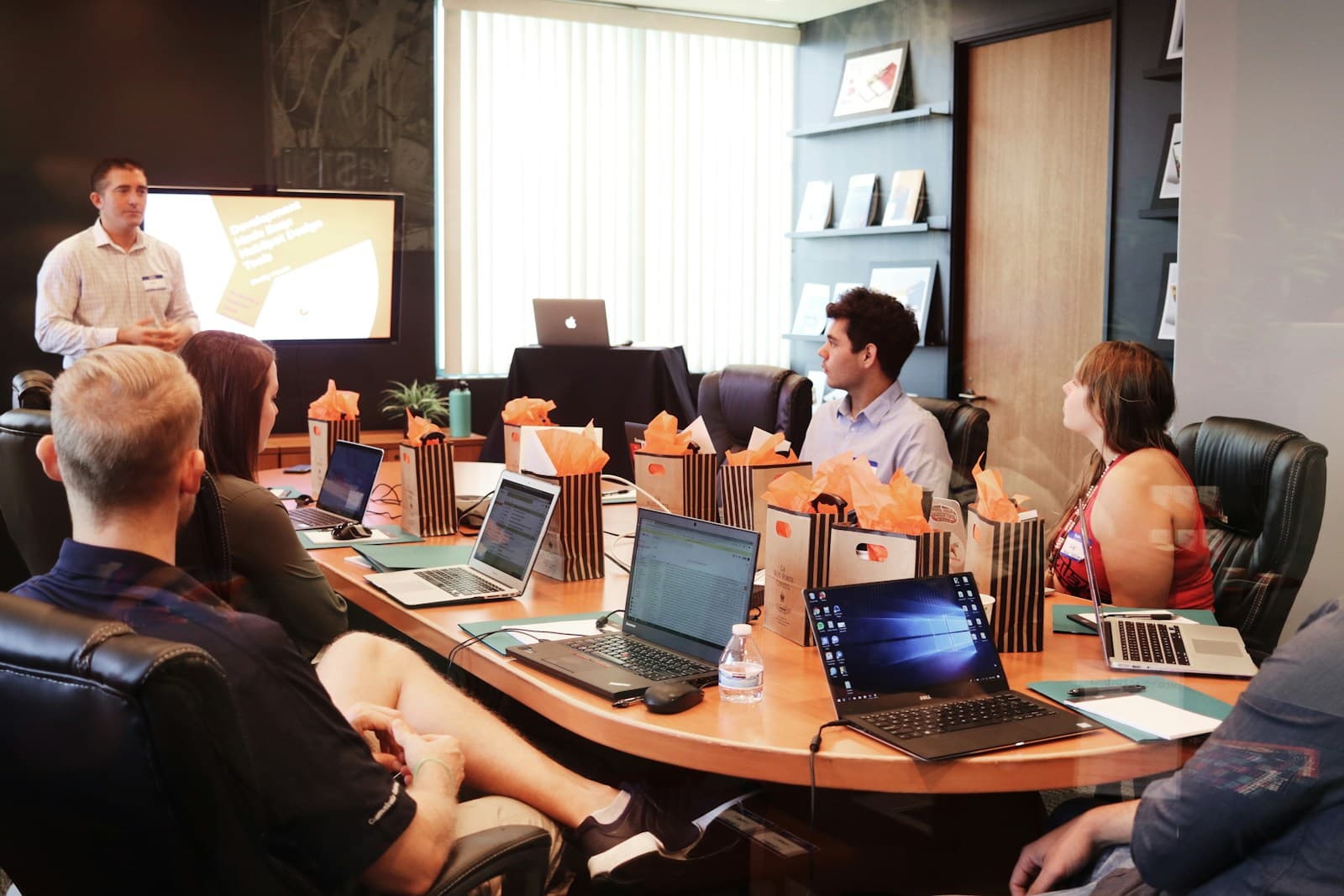
Software product strategy meeting for SaaS development and product architecture
We define the engineering approach before code so delivery decisions stay commercially useful.

SaaS product architecture decisions

What a SaaS build should define before development

SaaS projects become expensive when product strategy and architecture are separated. We define the business model and technical foundation together so the platform can grow without constant rewrites.

AreaWhat we decideWhy it matters
Customer and use caseTarget users, buyer profile, core workflow, activation moment, usage frequency and success metrics.A SaaS MVP should prove a specific repeated value, not attempt to satisfy every possible user.
Tenant architectureOrganizations, workspaces, users, roles, data isolation, tenant settings and admin control.Multi-tenancy affects security, reporting, billing, support and long-term scalability.
Pricing and accessPlans, feature limits, usage limits, trials, subscriptions, upgrades, downgrades and payment events.Billing logic must connect product value with access control and customer lifecycle.
Onboarding and adoptionSignup, verification, setup steps, sample data, invitations, first action and help content.A SaaS product only survives if new users understand value quickly and keep returning.
Analytics and product operationsActivation, usage, retention, churn signals, support requests, errors and admin visibility.SaaS teams need product data to improve features, support users and prioritize roadmap work.
Cloud and support modelHosting, environments, monitoring, backups, release process, documentation and support workflows.Recurring revenue depends on recurring reliability.

Capability depth

What this service covers

01

SaaS MVP development

We help define and build focused MVPs that validate the core workflow before adding complex enterprise features.

  • Product discovery, user journeys, MVP scope, prototype flows and release priorities.
  • Core workflow, account setup, user roles, admin tools and basic reporting.
  • Validation path for learning from first users without overbuilding the first release.

02

Multi-tenant architecture

We design SaaS platforms where organizations, workspaces, users, roles and data boundaries are handled deliberately.

  • Tenant model, organization settings, invitations, permissions and tenant-level configuration.
  • Data isolation decisions, audit logs, admin controls and support visibility.
  • Architecture that supports growth from small teams to larger customer accounts.

03

Subscription, billing and access control

We plan the logic that connects pricing, plans, payment status, limits and product access.

  • Free trials, paid plans, feature limits, usage rules, upgrades, downgrades and renewals.
  • Payment gateway or M-Pesa-ready workflows depending on the target market.
  • Billing history, invoices, receipts, access changes and customer support views.

04

SaaS dashboards and admin tools

We build product surfaces for customers and internal teams to manage accounts, usage, support and product operations.

  • Customer dashboards, workspace settings, user management, reporting and notifications.
  • Internal admin tools for support, customer success, billing review and issue investigation.
  • Usage analytics, account health views, audit trails and product operation reports.

05

API, integration and ecosystem readiness

We prepare SaaS platforms for integrations that make the product more valuable and defensible over time.

  • Public or private APIs, webhooks, data imports, exports and third-party integrations.
  • CRM, email, SMS, payment, analytics, accounting and support tool connections.
  • Integration logs, failure handling and documentation for customer or partner usage.

06

Cloud deployment and product support

We support the operational side of SaaS: hosting, releases, monitoring, backups, documentation and improvement cycles.

  • Cloud environments, deployment process, monitoring, backup strategy and performance review.
  • Release planning, QA, incident handling, user feedback and roadmap prioritization.
  • Maintenance and scale planning as customers, data and usage grow.

Engineering standards

Serious software needs controls, not only features

01

Product strategy tied to architecture

SaaS architecture should reflect the business model, customer segments, pricing strategy, onboarding path and support plan, not only engineering preference.

02

Tenant isolation and role clarity

Multi-tenant platforms need deliberate data boundaries, permissions, auditability and admin controls so customers can trust the system.

03

Operational visibility

SaaS teams need dashboards for usage, errors, support, billing, account activity and retention signals so product decisions are informed by real behavior.

04

Roadmap discipline

We separate MVP essentials from later enhancements so the product can launch, learn and improve without becoming bloated before validation.

Delivery path

A controlled route from idea to supported software

01

Define product position and MVP scope

We clarify target customers, core problem, repeated workflow, pricing assumptions, activation moment and the smallest valuable product that can produce market learning.

02

Design SaaS architecture and user lifecycle

We define tenant model, roles, onboarding, subscription logic, data structure, APIs, dashboards, admin tools, analytics and cloud environments.

03

Build, test and release the platform

We develop the MVP or platform in increments, testing signup, tenant setup, roles, billing, usage limits, integrations, reports and support tools with realistic scenarios.

04

Measure, support and expand

After launch, we review usage, feedback, support issues, conversion points and reliability. Then we improve onboarding, integrations, analytics, enterprise features and scaling controls.

Service FAQs

Questions before starting engineering work

Should a SaaS product start with an MVP?

Usually yes. A focused MVP helps prove the core workflow, onboarding path and customer value before the team invests in advanced features, automation, integrations or enterprise controls.

What makes SaaS architecture different from a normal web app?

SaaS architecture usually needs tenant separation, account management, roles, subscription logic, usage tracking, billing, onboarding, product analytics, customer support tools and a stronger release process.

Can you build SaaS for Kenyan payments and local business models?

Yes. We can plan payment and billing workflows around M-Pesa, payment gateways, invoices, receipts, subscription status, local customer support and business reporting needs.

Need a SaaS product that can move beyond an idea?

Tell us the customer, workflow, pricing idea and first product goal. We will help shape a realistic SaaS MVP and architecture path.