DEVOPSTECHSOFTWARES

Business systems engineering

ERP and Business Systems for Finance, HR, Inventory, Assets, Warehouses and Operations

Implement or build ERP modules that bring structure to approvals, records, resources, stock, payroll, finance, reporting and management control.

Business analytics dashboard representing ERP and business system reporting
Engineering work planned around scope, security, delivery quality and long-term maintainability.
consulting, implementation and custom modules
ERP
budgets, payments, approvals and reports
Finance
employee records, payroll, leave and attendance
HR
inventory, warehouse, assets and supply chain
Stock

ERP with operational discipline

ERP is not only software; it is how the business agrees to run

ERP and business systems touch the records that managers depend on: employees, stock, assets, suppliers, payments, budgets, invoices, approvals, warehouses, branches and reports. If the process is unclear, the system will expose the confusion rather than fix it.

DevOpsTech Softwares helps organizations plan, implement and build ERP modules around real operations. We focus on process ownership, master data, approvals, controls, integrations, migration, reporting and user adoption.

The goal is not to add screens for every department. The goal is to make business resources visible, controlled and easier to manage without forcing teams back into spreadsheets after launch.

Before committing to a delivery path, it may help to read ERP Implementation Roadmap, How to Select an ERP System and Custom ERP vs Off-the-Shelf ERP.

Service at a glance

Best for
Organizations that need stronger control over resources, approvals, records and reporting
Typical outputs
ERP modules, HR payroll systems, inventory, finance, warehouse, assets and dashboards
Core decisions
Processes, master data, approvals, roles, migration, integrations and adoption
Integration context
M-Pesa, accounting, payroll, POS, inventory, warehouse, BI, CRM and APIs
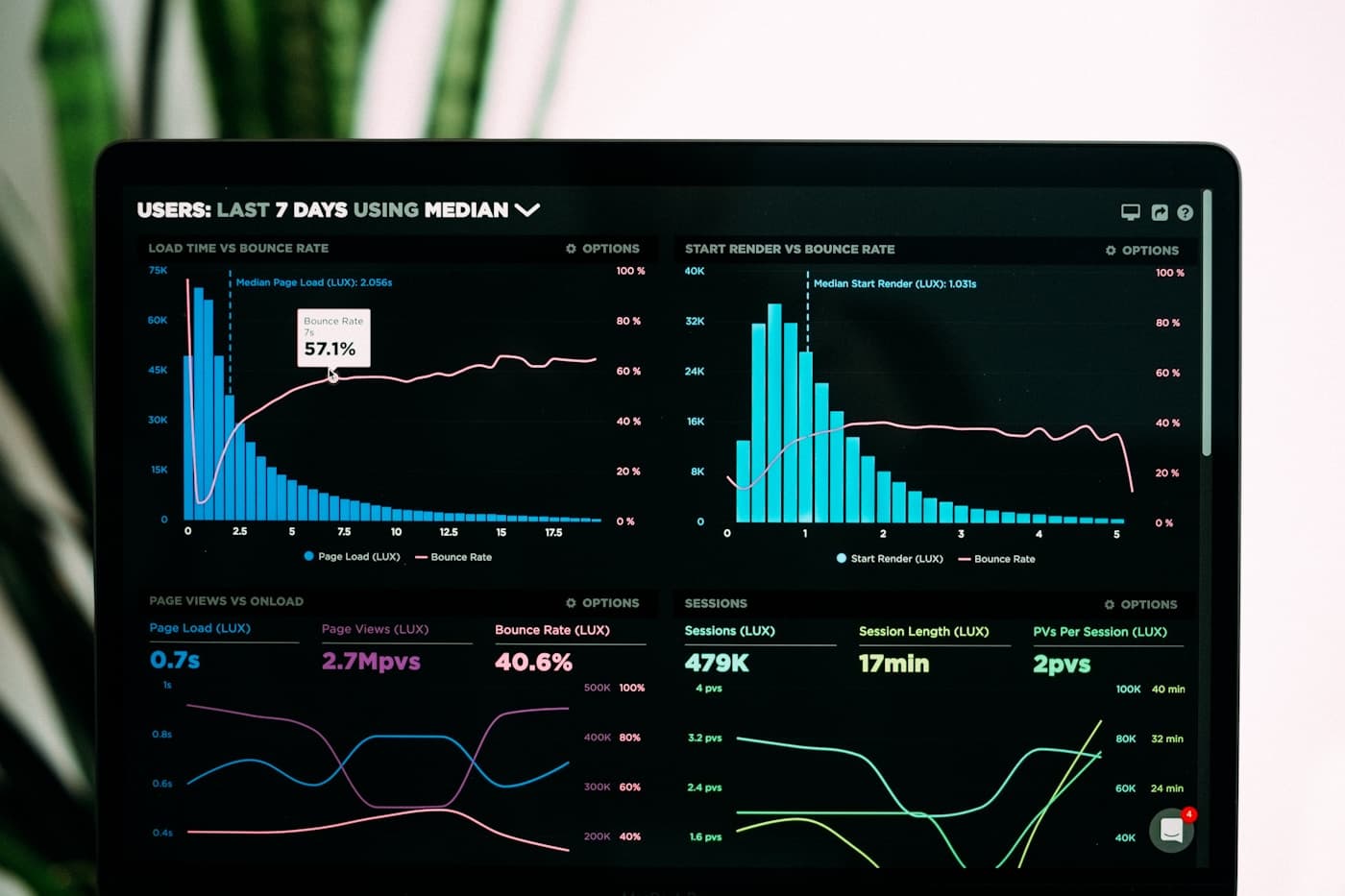
Business analytics dashboard representing ERP and business system reporting
We define the engineering approach before code so delivery decisions stay commercially useful.

ERP planning decisions

What ERP and business system scope should define before implementation

ERP projects fail when modules are chosen before the operating model is understood. We define process, data, controls and rollout before development or implementation starts.

AreaWhat we decideWhy it matters
Process ownershipWho owns finance, HR, payroll, inventory, procurement, warehouse, asset and approval workflows.ERP needs accountable owners because departments share data and decisions.
Master dataEmployees, suppliers, customers, products, warehouses, assets, accounts, branches and cost centers.Dirty master data makes reports unreliable and weakens every module connected to it.
Approval controlsWho can request, approve, reject, adjust, post, reverse, export or view sensitive records.ERP systems need control over financial and operational actions, not just data entry.
Module boundariesWhich modules are in phase one, which are later and how modules share records.Staged rollout reduces risk and avoids overwhelming users with too much change at once.
Migration and opening balancesWhat historical data moves, what gets cleaned, what starts fresh and how balances are validated.Migration errors damage trust quickly, especially in finance, stock, payroll and member records.
Reporting modelOperational dashboards, finance reports, stock reports, payroll reports, management views and audit exports.ERP value is judged by the clarity and accuracy of its reports after launch.

Capability depth

What this service covers

01

ERP consulting and implementation planning

We help define ERP scope, process gaps, module priorities, migration risks and rollout path before build or implementation.

  • Process review, stakeholder mapping, module assessment, pain points and business case clarity.
  • Phase planning for finance, HR, payroll, procurement, inventory, assets, warehouse or reporting.
  • Implementation roadmap with dependencies, risks, data cleanup and adoption needs.

02

Custom ERP modules

We build modules when generic ERP software cannot match the business process or when existing systems need custom extensions.

  • Finance, HR, payroll, inventory, warehouse, procurement, assets, fleet and operations modules.
  • Role access, approvals, reports, audit trails, imports, exports and integration points.
  • Modular architecture that supports staged rollout and future enhancements.

03

HR, payroll and employee systems

We support employee records, leave, attendance, payroll, payslips, approvals, documents and management reporting.

  • Employee profiles, departments, contracts, leave balances, attendance and timesheet workflows.
  • Payroll rules, allowances, deductions, approvals, payslips and payroll review reports.
  • Employee self-service, manager approvals, document records and finance exports.

04

Supply chain, inventory and warehouse systems

We build systems for products, purchasing, receiving, stock movement, transfers, counts, suppliers and warehouse visibility.

  • SKUs, units, warehouses, branches, purchasing, receiving, issues, transfers and adjustments.
  • Stock counts, approvals, reorder alerts, supplier records and movement history.
  • Integration with POS, manufacturing, finance, ecommerce and BI dashboards.

05

Financial management and asset control

We support finance and asset workflows where records, approvals, budgets and reporting need structure.

  • Budgets, expense requests, approvals, payment records, financial reports and audit trails.
  • Asset registers, assignment, maintenance, depreciation planning, fleet records and lifecycle tracking.
  • Dashboards for finance, management, operations and department owners.

06

ERP integration, reporting and support

We connect ERP modules with other systems and support reporting, user adoption and improvements after launch.

  • M-Pesa, accounting, payroll, POS, CRM, warehouse, inventory, BI and third-party APIs.
  • Data migration, opening balance checks, user training, support documentation and issue review.
  • Management reports, role reviews, module improvements and phased expansion.

Engineering standards

Serious software needs controls, not only features

01

Process before software

We clarify how the business should work before configuring or building modules. ERP cannot succeed when process ownership is vague.

02

Master data discipline

Products, employees, suppliers, accounts, warehouses and assets need clean structure because ERP reports depend on shared records.

03

Controls and audit trails

Approvals, role permissions, adjustments, reversals and sensitive actions need traceability so management can trust the system.

04

Phased adoption

ERP rollout should prioritize the modules that reduce the highest operational risk first, then expand as users and data stabilize.

Delivery path

A controlled route from idea to supported software

01

Map business processes and module priorities

We document the departments, workflows, records, approvals, existing systems, reporting needs and operational pain points. This helps decide whether implementation, custom modules or staged modernization is the right route.

02

Design data, roles, approvals and integrations

We define master data, permissions, module boundaries, approval rules, migration plan, reports and integrations so ERP workflows connect without creating data confusion.

03

Build or implement in controlled phases

We deliver priority modules first, test real scenarios, validate opening records, train users and review finance, HR, stock, warehouse or asset workflows before expanding.

04

Stabilize, report and improve

After launch, we monitor adoption, data quality, reports, user issues and integration performance. Then we improve dashboards, controls, automation and additional modules as the business matures.

Service FAQs

Questions before starting engineering work

Should we buy ERP software or build custom ERP modules?

It depends on the workflows, budget, internal capacity, integration needs and how unique the business process is. We can help evaluate whether implementation, customization or custom modules make more sense.

Can ERP be rolled out in phases?

Yes. Phased rollout is often safer. A business can start with finance, HR, inventory or another priority module, then expand after users and data stabilize.

Can ERP connect with existing systems?

Yes. ERP modules can connect with M-Pesa, accounting tools, POS, inventory, CRM, warehouse systems, payroll tools, BI dashboards and third-party APIs.

Need ERP or business systems that bring control instead of confusion?

Tell us the modules, records, approvals, reports and integrations your business needs. We will help define a practical ERP path.