DEVOPSTECHSOFTWARES

SaaS development

MVP Development for SaaS Products, Startups and First Market Releases

Turn a product idea into a focused first release that real users can try, pay for, critique or validate before you invest in the full roadmap.

MVP development planning session for SaaS product validation and first release
A good MVP protects your budget by proving the core product value before the team builds every nice-to-have feature.
one clear customer problem and core workflow
Focus
usable product, not only a clickable mockup
Release
feedback, analytics, usage and sales signals
Learn
roadmap decisions based on evidence
Improve

Build enough to learn

An MVP should prove the product, not become a smaller version of every future dream

Many software products become expensive because the first build tries to satisfy every future customer, every internal opinion and every feature idea. A strong MVP does the opposite. It focuses on the smallest release that can create a real learning moment.

The goal is not to build something weak. The goal is to build something narrow, useful and testable. Real users should be able to complete the core workflow, understand the value, give feedback and help the team decide what deserves the next investment.

DevOpsTech Softwares helps teams shape and build MVPs for SaaS products, marketplaces, portals, business tools and digital platforms. We combine product scoping, UX, development, testing, analytics and launch support so the first release can teach the business something useful.

Before committing to a delivery path, it may help to read MVP Development: What to Build First, MVP Cost and Timeline in Kenya and How to Validate a Software Product Idea.

Service at a glance

Best for
Founders, SMEs and teams that need to test a SaaS, marketplace, portal or digital product idea before full investment
Typical outputs
MVP scope, clickable flows, working first release, admin tools, analytics, feedback loop and launch plan
Core decisions
Target user, problem, must-have workflow, excluded features, release goal, budget, analytics and next milestone
Integration context
Payments, email, SMS, CRM, analytics, APIs, admin dashboards, support tools and later SaaS scaling
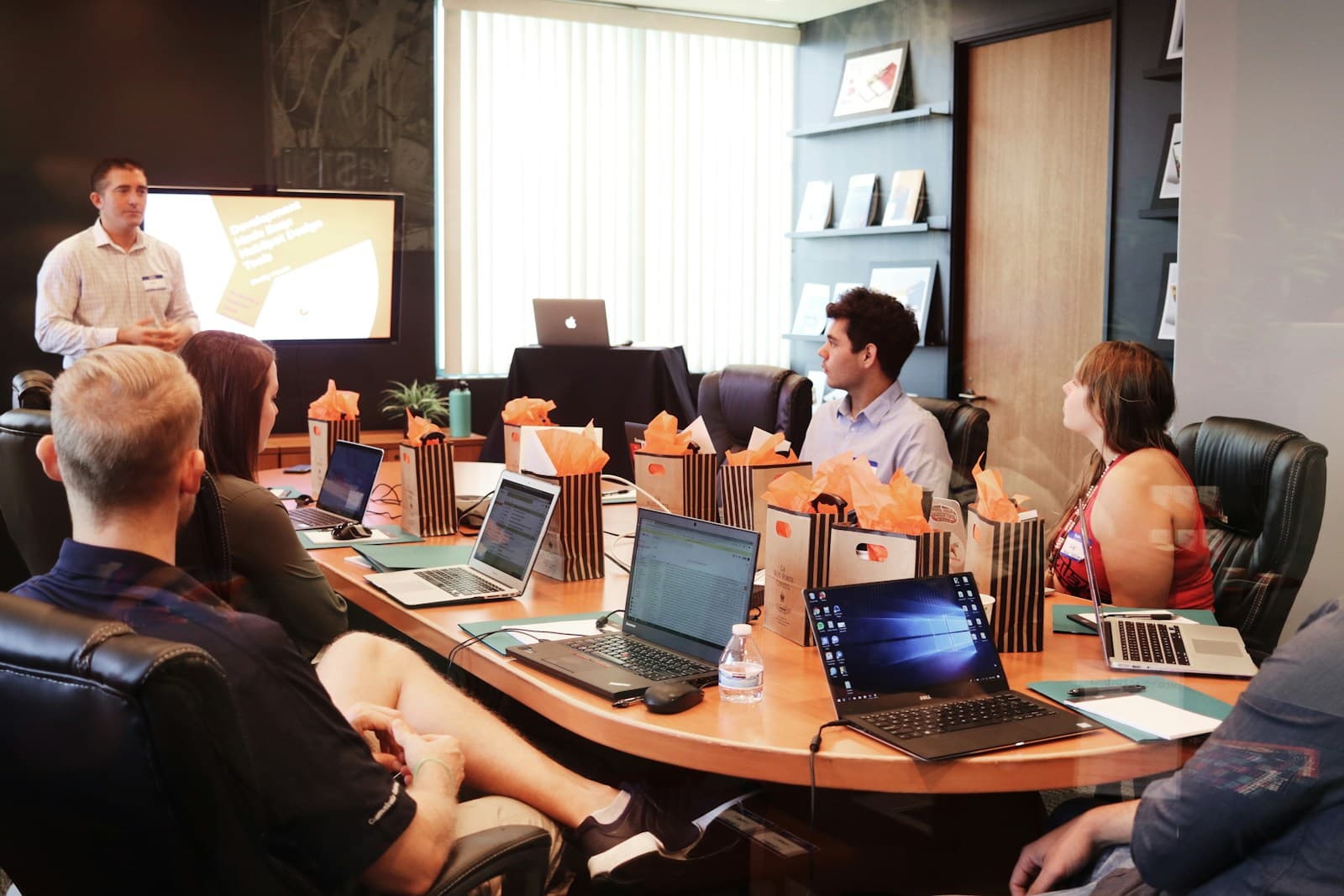
MVP development planning session for SaaS product validation and first release
The first release should help you learn from real users, not impress only in a pitch deck or internal demo.

MVP planning decisions

What must be decided before building the first product release

An MVP needs sharp choices. We help define what has to exist on day one, what should wait and what evidence will tell the team whether the product is worth expanding.

AreaWhat we decideWhy it matters
Customer problemWho the product serves, what painful problem it solves, what users do today and why they would switch.A product without a specific problem becomes a collection of features looking for a buyer.
Core workflowThe one journey users must complete for the product to prove value, such as booking, applying, reporting, paying, tracking or collaborating.The first release should make the main value obvious before adding secondary features.
Feature boundaryMust-have features, excluded features, manual workarounds, admin controls and what can be handled outside the product at first.Clear exclusions protect budget and help the team launch before assumptions go stale.
Revenue and validationTrial, paid pilot, subscription, one-time payment, internal adoption, demo conversion or customer feedback goal.The MVP should be judged by evidence, not by how many features were completed.
Data and admin needsUser accounts, records, dashboards, reports, support views, exports and staff actions needed to operate the MVP.Even a small product needs enough control for the team to serve early users properly.
Next release criteriaUsage signals, feedback, sales conversations, support issues and technical risks that determine the next version.A product roadmap should respond to learning, not only the original feature wish list.

Capability depth

What this service covers

01

Product discovery and MVP scope

We help turn a broad idea into a focused first release with clear users, value, limits and success signals.

  • Target user, problem statement, current alternatives, assumptions and validation goals.
  • Must-have features, excluded features, release criteria and practical launch scope.
  • Roadmap split between MVP, early improvements and later scale features.

02

UX flows and clickable product planning

We shape the user journey before development so the team can review how the product will actually work.

  • User flows, wireframes, onboarding, core task screens, empty states and support moments.
  • Prototype-style review for founders, teams, investors or early customers.
  • Copy, labels, forms and interaction details that make the MVP easier to use.

03

Working MVP development

We build a usable product that can be launched to early users, tested in operations or demonstrated to serious buyers.

  • Frontend, backend, database, authentication, core workflow, admin dashboard and notifications.
  • Payments, email, SMS, analytics, CRM or third-party integrations where needed for validation.
  • Deployment, QA, documentation and support for the first release.

04

SaaS-ready MVP foundations

We prepare MVPs for SaaS growth without overbuilding the first release.

  • Accounts, roles, workspace logic, basic plan rules and future tenant considerations.
  • Admin controls for users, support, records, payments, usage and feedback.
  • Technical decisions that allow the product to grow after validation.

05

Feedback, analytics and learning loops

We add the measurement needed to understand whether users are reaching value and where the product needs improvement.

  • Activation events, usage behavior, conversion points, feedback capture and support signals.
  • Analytics setup for signups, key actions, drop-offs, payments and repeated use.
  • Review rhythm for deciding what to improve, remove or build next.

06

Launch support and iteration planning

We help teams move from first release to better product decisions after real users interact with the MVP.

  • Pilot launch, early customer onboarding, issue triage and first-stage bug fixes.
  • Roadmap review based on usage, feedback, sales objections and support patterns.
  • Planning for stronger SaaS features, integrations, automation or mobile access.

MVP standards

A useful MVP needs focus, real usage and honest learning

01

Start with the customer problem

The MVP should prove that a specific group of users cares enough about the problem to try, use, pay for or seriously evaluate the product.

02

Keep the first release narrow

We remove non-essential features so the team can launch sooner and learn from actual behavior instead of internal assumptions.

03

Build enough operational control

Even a lean product needs admin tools, support visibility, basic reporting and safe data handling so early users can be served properly.

04

Measure before expanding

Usage, feedback, sales conversations and support issues should shape the next release more than the original wishlist.

Delivery path

A controlled route from product idea to useful MVP

01

Clarify the idea and validation goal

We define the customer, problem, core workflow, market assumption, first release goal and what evidence will show whether the MVP is worth expanding.

02

Scope the first release

We decide what must be built, what can wait, what can be manual at first, what the admin team needs and how early users will give feedback.

03

Design, build and test the MVP

We create the user flows, build the product, connect essential services, test core scenarios and prepare the release for early users or pilot customers.

04

Launch, learn and plan the next version

We support the first release, review analytics and feedback, fix urgent issues and help decide the next product improvements based on evidence.

Service FAQs

Questions before building an MVP

How small should an MVP be?

Small enough to launch and learn quickly, but useful enough for real users to complete the core workflow. A weak demo is not enough; the MVP should produce evidence.

Can an MVP include payments?

Yes, if payment is part of the core validation. For some products, collecting payment or running a paid pilot is the best way to test real demand.

Can you help after the MVP launch?

Yes. We can review user feedback, analytics, support issues and sales conversations, then help plan and build the next release.

Need to test a SaaS or product idea without overbuilding it?

Tell us the customer, problem and first workflow you want to prove. We will help shape a focused MVP scope and launch plan.