DEVOPSTECHSOFTWARES

SaaS development

SaaS Product Architecture for Tenant Models, Billing, Roles, APIs and Product Growth

Plan the product foundation before expensive development decisions lock you in: tenants, accounts, permissions, billing, onboarding, data, admin tools, analytics and support.

SaaS product planning dashboard for tenants, billing, roles and product growth
SaaS planning should answer how customers join, pay, use the product, invite teams, get support and grow without chaos.
customers, workspaces, users and data boundaries
Tenants
plans, trials, subscriptions and access rules
Billing
onboarding, usage, support and analytics
Product
admin tools, releases, monitoring and scale
Operations

Plan before the platform becomes expensive

SaaS architecture is where product strategy and technical reality meet

A SaaS product is not only software behind a login. It is a recurring business that must onboard customers, manage accounts, control access, bill correctly, support users, monitor usage and improve continuously.

Early product decisions become technical commitments. If tenants, roles, billing rules, data boundaries and admin tools are guessed too quickly, the product may feel fine at launch but become expensive to change after customers arrive.

DevOpsTech Softwares helps teams plan SaaS products before or during development. We translate the business model into practical decisions about users, workspaces, subscriptions, permissions, APIs, dashboards, analytics, cloud readiness and support.

Before committing to a delivery path, it may help to read SaaS Product Architecture Explained, Multi-Tenant SaaS: Isolation, Roles, Billing and Security and MVP Development: What to Build First.

Service at a glance

Best for
Founders and companies that need a clear SaaS plan before building or scaling a subscription product
Typical outputs
Product foundation plan, tenant model, role model, billing logic, API plan, admin needs and roadmap guidance
Core decisions
Tenant structure, data separation, user roles, pricing logic, onboarding, integrations, analytics and support process
Integration context
Payments, email, SMS, CRM, analytics, accounting exports, APIs, cloud hosting and customer support tools
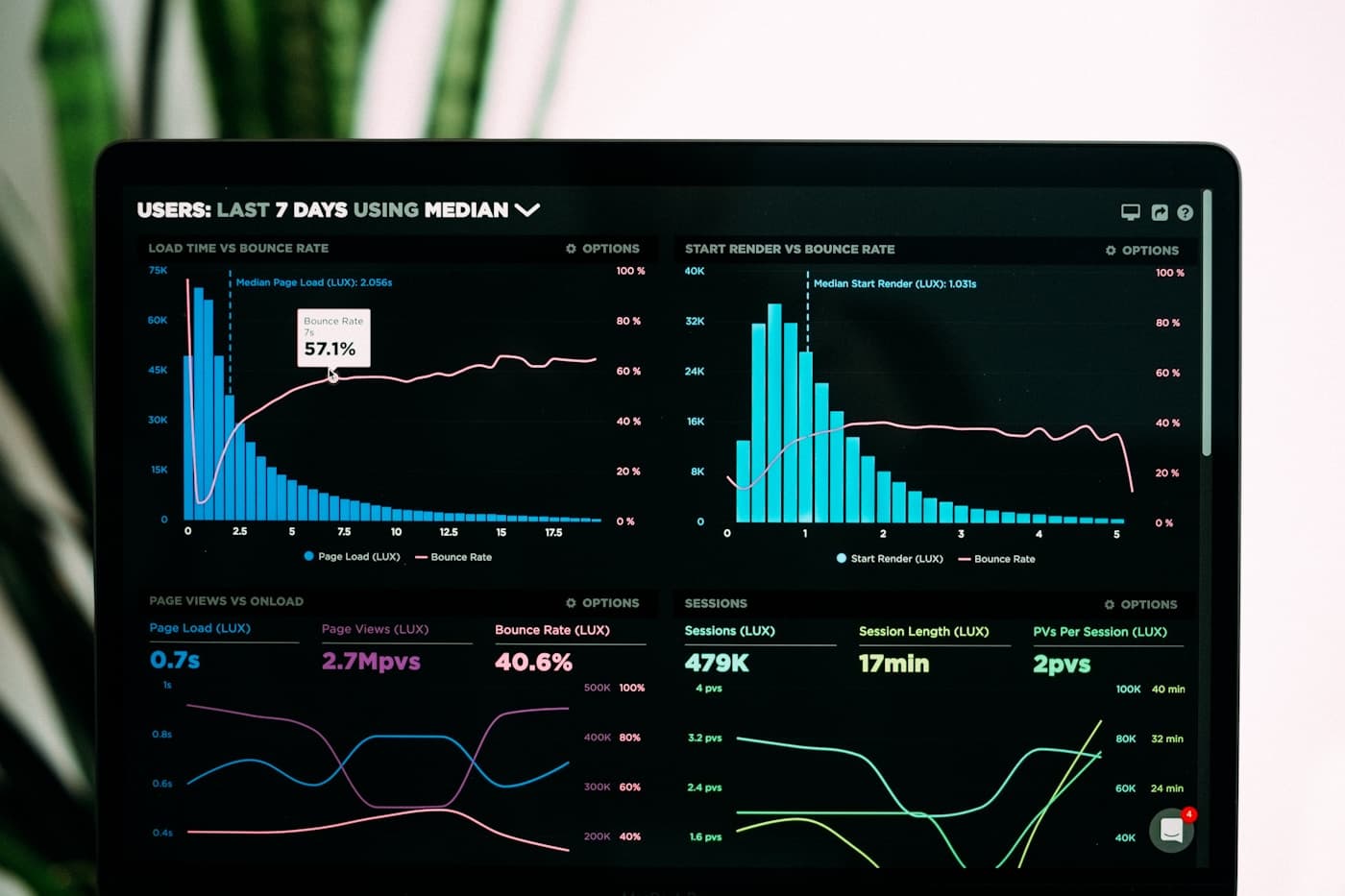
SaaS product planning dashboard for tenants, billing, roles and product growth
The best SaaS foundation connects the business model with the product experience and the technical choices behind it.

SaaS planning decisions

What a SaaS product should define before serious build work begins

Good SaaS planning gives founders, product owners and developers a shared view of what the product must support at launch and what it should be ready to support later.

AreaWhat we decideWhy it matters
Customer account modelSingle users, companies, branches, teams, workspaces, departments, agencies, clients or partner accounts.The account model affects signup, permissions, billing, reporting, support and customer growth.
User roles and permissionsOwners, admins, managers, staff, clients, guests, auditors, support users and what each role can do.Role mistakes create security risk, support issues and confusion as customer teams grow.
Billing and accessFree trial, paid plans, usage limits, feature limits, invoices, renewals, upgrades, downgrades and payment status.Billing must match how customers receive value and how the business wants to sell.
Data boundariesWhat data belongs to each customer, what can be shared, what admins can see and how support can investigate issues.Customers need confidence that their records, users and settings are handled safely.
Onboarding and activationSignup, verification, workspace setup, invitations, sample data, first task, help prompts and success milestones.SaaS products lose users quickly when new accounts do not reach value early.
Product operationsInternal admin tools, analytics, support views, logs, feature flags, releases, monitoring and customer health signals.A SaaS team needs visibility into the product after customers start using it.

Capability depth

What this service covers

01

SaaS product discovery and foundation planning

We help clarify what the SaaS product is selling, who it serves and what the platform must support from the first release.

  • Customer segments, use cases, pricing assumptions, core workflow and activation goals.
  • MVP boundary, future roadmap, admin needs and support process.
  • Product decisions translated into practical technical requirements.

02

Tenant, account and workspace model design

We define how customers, organizations, teams and users exist inside the SaaS product.

  • Tenant structure, workspaces, branches, departments, invitations and account settings.
  • Data ownership, customer-level configuration, account lifecycle and support visibility.
  • Growth path from small users to larger teams or enterprise customers.

03

Roles, permissions and access rules

We plan who can see, create, edit, approve, export, delete or administer records and settings.

  • Owner, admin, manager, staff, client, guest and support-role decisions.
  • Permission boundaries for records, billing, reports, account settings and sensitive actions.
  • Audit and approval needs where the product handles important business data.

04

Subscription, billing and plan logic

We shape how the product connects pricing to access, limits and customer lifecycle.

  • Trials, plans, subscriptions, renewals, upgrades, downgrades and cancellations.
  • Feature limits, usage limits, invoices, receipts, payment status and access changes.
  • Payment gateway, M-Pesa-ready, invoice-led or hybrid billing workflows.

05

API, integration and data planning

We plan how the product will connect with payments, customer tools, reporting and future ecosystem needs.

  • API boundaries, webhooks, imports, exports, CRM, email, SMS, analytics and accounting exports.
  • Integration logs, failure handling, support screens and customer-facing data sync expectations.
  • Data structure that supports reporting, support, billing and future product features.

06

Cloud, analytics and support readiness

We define how the SaaS product will be operated after launch, not only how it will be built.

  • Environments, deployment process, backups, monitoring, logs and incident response.
  • Product analytics for activation, usage, retention, conversion and support issues.
  • Internal admin tools for customer support, account review, billing and troubleshooting.

SaaS planning standards

SaaS planning should make the product easier to build, sell and support

01

Tie product decisions to revenue

Plans, limits, onboarding and user roles should reflect how customers experience value and how the business intends to charge.

02

Protect customer boundaries

Tenants, users, records, reports and account settings need clear separation so customers can trust the platform.

03

Give the team admin control

Support, billing review, customer activity, issue investigation and account management need internal tools from early stages.

04

Avoid overbuilding before validation

The foundation should be strong, but the first version should still focus on proving the product with real customers.

Delivery path

A controlled route from SaaS idea to product foundation

01

Clarify product model and customer journey

We define the customer, core workflow, pricing assumptions, activation path, support expectations and the first release goal.

02

Design tenant, role and billing rules

We map account structure, workspaces, users, permissions, data boundaries, plan limits, payments, subscription status and admin controls.

03

Plan APIs, dashboards and operations

We define backend services, integrations, analytics, support views, logs, reporting, deployment needs, monitoring and release process.

04

Turn the plan into a build roadmap

We produce a practical roadmap for MVP, early customers and later scale so the team knows what to build first and what to reserve for growth.

Service FAQs

Questions before planning a SaaS product

Do we need SaaS architecture before an MVP?

You need enough planning to avoid expensive mistakes, but not enough to overbuild. We define the foundation required for the MVP and the decisions that should be reserved for later.

Can SaaS architecture include billing and payment planning?

Yes. Billing, plans, subscriptions, trials, payment status and access rules are core SaaS decisions because they shape both product experience and revenue.

Can this help an existing SaaS product?

Yes. We can review an existing SaaS product, identify weak tenant logic, unclear roles, billing friction, missing admin tools or scaling risks, then recommend improvements.

Need a SaaS plan before building too much too soon?

Tell us your product idea, customer type, pricing model and first release goal. We will help define the foundation before the build becomes expensive.